How to Build a Strong Athlete Mindset
Physical ability is an important part of sport, but the way an athlete thinks and responds can also influence their performance.
Athletes experience pressure, mistakes, setbacks, nerves, and moments of doubt. A strong athlete mindset helps them manage these challenges, stay focused, and continue taking effective action when competition becomes difficult.
An athlete mindset is not about being positive all the time. It is about developing mental skills and habits that support preparation, performance, and long-term growth.
Focusing on What You Can Control
Athletes cannot control every part of their sport.
They cannot control the final result, the decisions of officials, the performance of other athletes, or every unexpected situation that may happen.
However, they can control their preparation, effort, attitude, routines, and response to challenges.
Developing an athlete mindset means learning to direct attention toward these controllable actions. This can help athletes feel less overwhelmed and stay focused on what they need to do next.
Responding to Pressure
Pressure often increases when an athlete cares about the outcome.
They may worry about disappointing their coach, making a mistake, losing their position, or failing to reach an important goal.
A strong athlete mindset does not remove pressure. Instead, it helps athletes understand their response and use strategies to stay present.
Breathing, cue words, pre-performance routines, and focusing on the next action can help athletes compete effectively even when they feel nervous.
Learning from Mistakes
Mistakes are a normal part of sport, but athletes do not always respond to them productively.
Some athletes replay the mistake, become frustrated, or allow one difficult moment to affect the rest of their performance.
Building a stronger athlete mindset can help athletes pause, reset, and return their attention to the next task.
The goal is not to ignore mistakes. It is to learn from them without allowing them to define the entire performance.
Building Confidence Through Preparation
Confidence does not only come from winning or achieving strong results.
Athletes can also build confidence by recognizing their preparation, tracking their progress, and remembering difficult situations they have handled before.
A strong athlete mindset helps athletes focus on the evidence that they are improving instead of judging themselves based on one performance.
Athletes may not feel completely confident before every competition, but they can still trust their preparation and commit to their plan.
Is an Athlete Mindset Only Important for Elite Athletes?
No.
Athletes at every age and level can benefit from developing a stronger mindset.
Young athletes can learn how to handle pressure, stay focused, respond to feedback, and recover from mistakes before the demands of their sport increase.
Like physical and technical skills, an athlete mindset develops through consistent practice. The earlier athletes begin training these skills, the more naturally they can use them in competition.
Helping Young Athletes Develop Mental Performance Skills
At Podium Mind, we teach mental performance using lessons from Canadian Olympians, Paralympians, and Certified Mental Performance Consultants.
Podium Mind gives athletes practical tools they can use in training, competition, and life. Instead of relying on a single workshop or one-on-one coaching, Podium Mind helps individual athletes, teams, and organizations develop a stronger athlete mindset through TikTok-style engagement designed to interest young athletes.
Athletes will learn how to build confidence, manage their nerves before the biggest moments, stay focused under pressure, and respond to mistakes before those mistakes become bigger problems.
If you are a parent, coach, club, or school looking to help young athletes strengthen their mindset and train the mental side of sport, Podium Mind provides a practical way to get started.
Learn More About Podium MindTrusted by Athletes.
Backed by Experts.
Podium Mind is built with:
- Canadian Olympians and Paralympians
- Top Certified Mental Performance Consultants
- Former & Current High Performance Coaches
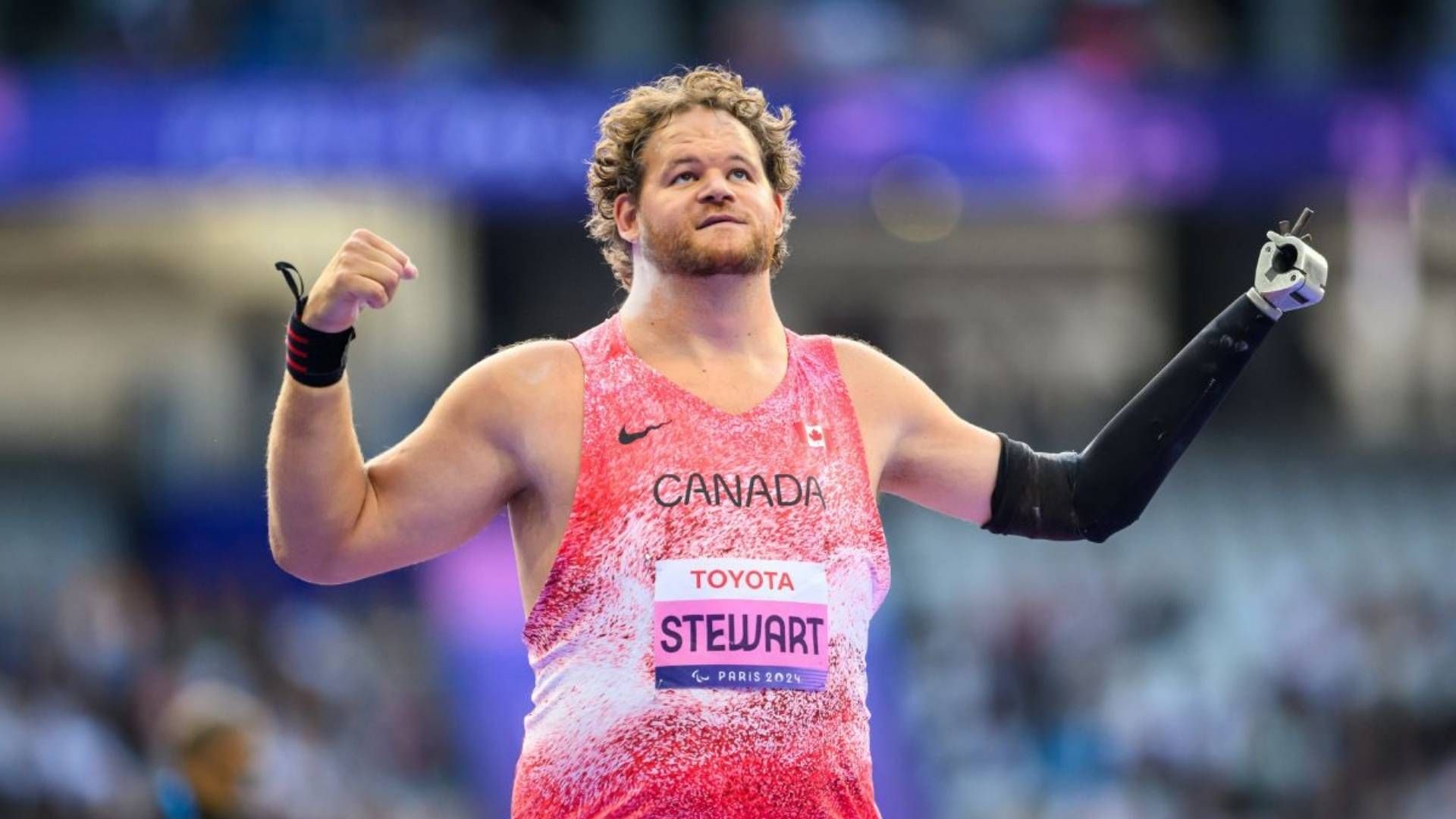
“If you’re unable to show up, it doesn’t matter how good you are.
And the ability to show up is 100% a mental game.”
– Greg Stewart, 2x Paralympic Champion