What Is a Mental Performance Consultant? A Guide for Athletes and Parents
Athletes often know what they are supposed to do in competition, but carrying it out under pressure can be difficult.
A player may perform well in practice but become hesitant during games. Another athlete may prepare thoroughly but lose focus after one mistake. Others may struggle to stay motivated during a long season or become overwhelmed by expectations.
A mental performance consultant helps athletes understand these patterns and develop strategies they can use in training and competition.
Rather than telling athletes simply to “be confident” or “stay positive,” a mental performance consultant helps them build practical mental skills that can be practised over time.
How Does a Mental Performance Consultant Work With Athletes?
Mental performance consulting is usually shaped around the needs of the athlete, team, or organization.
The process may begin by discussing the situations an athlete finds difficult. This could include competing under pressure, maintaining motivation, communicating with coaches, returning from injury, or staying composed when a performance does not go as planned.
The consultant and athlete can then identify specific skills to work on and create strategies that fit the athlete’s sport, personality, and goals.
Mental performance training is not about using one strategy for every athlete. A routine that helps one person may not work for another.
Turning Mental Skills Into Habits
Learning a mental performance strategy is only the first step.
For the skill to become useful, athletes need opportunities to practise it before they face an important competition.
For example, an athlete might practise a breathing strategy during training, use a cue word before completing a difficult skill, or follow the same preparation routine before both practices and competitions.
Repeating these strategies helps athletes become more familiar with them, making it easier to use them when pressure increases.
A mental performance consultant can help athletes test different approaches, reflect on what worked, and adjust the strategy when needed.
Creating Competition Routines
Competitions can feel unpredictable, but routines give athletes a consistent process to follow.
A mental performance consultant may help an athlete create a routine for the period before competition, the moments immediately before performing, or the time between plays, shifts, runs, or events.
A routine could include reviewing a simple performance plan, visualizing an action, checking breathing, or focusing on one useful cue.
The purpose is not to guarantee a particular result. It is to help the athlete direct their attention toward actions that support their performance.

Helping Athletes Understand Their Patterns
Athletes do not always recognize what happens to their thinking and behaviour when they feel pressure.
Some begin rushing. Others become overly cautious, focus too much on technique, avoid making decisions, or become distracted by the result.
A mental performance consultant can help athletes notice these patterns and understand what situations tend to trigger them.
Once athletes recognize a pattern, they can develop a more deliberate response instead of automatically repeating the same reaction.
This awareness can also help athletes explain their needs more clearly to coaches, parents, and teammates.
Supporting Motivation and Goal Setting
Athletes are not equally motivated every day.
Motivation can change during long seasons, repetitive training periods, injuries, disappointing results, or times when improvement feels slow.
A mental performance consultant can help athletes connect their daily training to larger goals while also creating smaller and more manageable targets.
Effective goals can give athletes a clearer sense of direction and help them measure progress in ways that are not based only on wins, rankings, or final results.
This can be especially useful for young athletes who are still learning how to manage expectations and take ownership of their development.
Is a Mental Performance Consultant a Mental Health Professional?
Not always.
Mental performance consultants generally focus on mental skills related to sport, including preparation, concentration, motivation, confidence, routines, goal setting, and managing pressure.
Mental health professionals support concerns that may extend beyond sport, such as ongoing anxiety, depression, trauma, or other emotional difficulties.
There may be some overlap depending on the professional’s qualifications, but the roles should not automatically be treated as the same.
In some situations, an athlete may benefit from both mental performance training and support from a qualified mental health professional.
Who Can Benefit From Mental Performance Consulting?
Mental performance consulting is not only for elite athletes or people experiencing a major problem.
Young athletes can benefit as they begin facing greater expectations and more competitive environments. Teams can use mental performance training to create shared routines, improve communication, and develop a consistent approach to challenges.
Coaches and organizations may also use mental performance education to make mental skills a regular part of athlete development.
The goal is to begin practising these skills before an athlete reaches a moment when they urgently need them.
Helping Young Athletes Develop Mental Performance Skills
At Podium Mind, we teach mental performance using lessons from Canadian Olympians, Paralympians, and Certified Mental Performance Consultants.
Podium Mind gives athletes practical tools they can use in training, competition, and life. Instead of relying on a single workshop or one-on-one coaching, Podium Mind helps individual athletes, teams, and organizations build mental performance skills in a way that interests young athletes using TikTok-style engagement.
Athletes will learn how to build confidence, manage their nerves before the biggest moments, and respond to mistakes before those mistakes become bigger problems.
If you are a parent, coach, club, or school looking to help young athletes train the mental side of sport, Podium Mind provides a practical way to get started.
Learn More About Podium MindTrusted by Athletes.
Backed by Experts.
Podium Mind is built with:
- Canadian Olympians and Paralympians
- Top Certified Mental Performance Consultants
- Former & Current High Performance Coaches
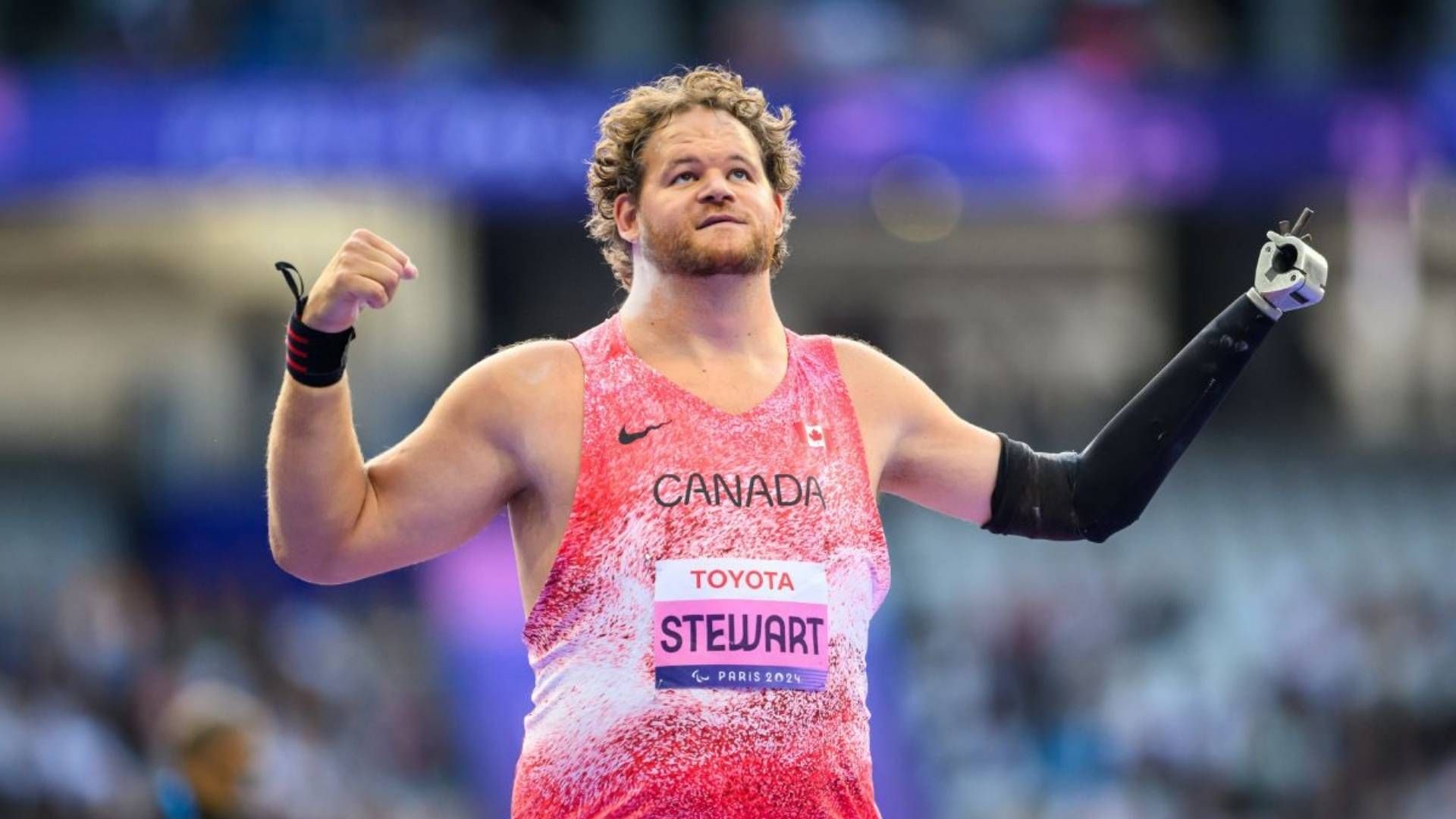
“If you’re unable to show up, it doesn’t matter how good you are.
And the ability to show up is 100% a mental game.”
– Greg Stewart, 2x Paralympic Champion