What Does a Sport Psychologist Do?
Athletes train their bodies, technique, and fitness, but sport can also create mental and emotional challenges.
Pressure, injuries, confidence struggles, performance anxiety, motivation changes, and difficult results can all affect an athlete’s experience.
A sport psychologist helps athletes understand and manage the psychological factors connected to sport, performance, and well-being.
Depending on their training and role, a sport psychologist may support performance-related skills, broader mental health concerns, or both.
Managing Performance Pressure
Pressure can appear before an important competition, during a difficult season, or when an athlete feels responsible for meeting the expectations of others.
A sport psychologist can help athletes understand how pressure affects their thoughts, emotions, and physical reactions.
Athletes may learn strategies such as breathing, reframing thoughts, developing routines, and focusing on actions they can control.
The goal is not always to remove pressure. It is to help athletes respond to it in a healthier and more effective way.
Supporting Confidence
Confidence can change after mistakes, injuries, poor results, limited playing time, or comparison with other athletes.
A sport psychologist may help athletes explore what affects their confidence and identify patterns in how they think about themselves and their performance.
Athletes can learn to recognize progress, challenge unhelpful thoughts, improve self-talk, and build confidence from preparation rather than results alone.
The goal is not to feel confident every day. It is to develop skills that help athletes continue performing when doubt appears.
Helping Athletes Cope With Setbacks
Setbacks are a normal part of sport.
Athletes may experience injuries, missed selections, losses, coaching changes, reduced playing time, or periods when progress feels slow.
A sport psychologist can help athletes process these experiences, adjust their goals, and develop healthier ways of responding.
This support can be especially valuable when a setback affects an athlete’s motivation, identity, enjoyment, or overall well-being.
Improving Focus and Preparation
Athletes can become distracted by previous mistakes, future results, other competitors, or concerns about what coaches and parents are thinking.
A sport psychologist can help athletes recognize where their attention is going and practise bringing it back to the present task.
This may include visualization, cue words, pre-performance routines, goal setting, or strategies for resetting after mistakes.
These skills can help athletes feel more prepared and perform more consistently.
Is a Sport Psychologist the Same as a Mental Performance Consultant?
Not always.
A sport psychologist may be trained to support psychological well-being, mental health, and performance-related concerns.
A mental performance consultant usually focuses more specifically on mental skills connected to sport, including confidence, focus, routines, pressure, motivation, and resilience.
There can be overlap between the two roles. The type of support an athlete needs will depend on their goals, challenges, and circumstances.
Does an Athlete Need to Be Struggling?
No.
Athletes do not have to wait until they are experiencing a serious problem before seeking support.
A sport psychologist can help athletes prepare for pressure, understand their habits, strengthen their coping skills, and develop a healthier relationship with sport.
Support can be useful for young athletes, recreational athletes, and elite competitors.
Helping Young Athletes Develop Mental Performance Skills
At Podium Mind, we teach mental performance using lessons from Canadian Olympians, Paralympians, and Certified Mental Performance Consultants.
Podium Mind gives athletes practical tools they can use in training, competition, and life. Instead of relying on a single workshop or one-on-one coaching, Podium Mind helps individual athletes, teams, and organizations build mental performance skills in a way that interests young athletes using TikTok-style engagement.
Athletes will learn how to build confidence, manage their nerves before the biggest moments, and respond to mistakes before those mistakes become bigger problems.
If you are a parent, coach, club, or school looking to help young athletes train the mental side of sport, Podium Mind provides a practical way to get started.
Learn More About Podium MindTrusted by Athletes.
Backed by Experts.
Podium Mind is built with:
- Canadian Olympians and Paralympians
- Top Certified Mental Performance Consultants
- Former & Current High Performance Coaches
“If you’re unable to show up, it doesn’t matter how good you are.
And the ability to show up is 100% a mental game.”
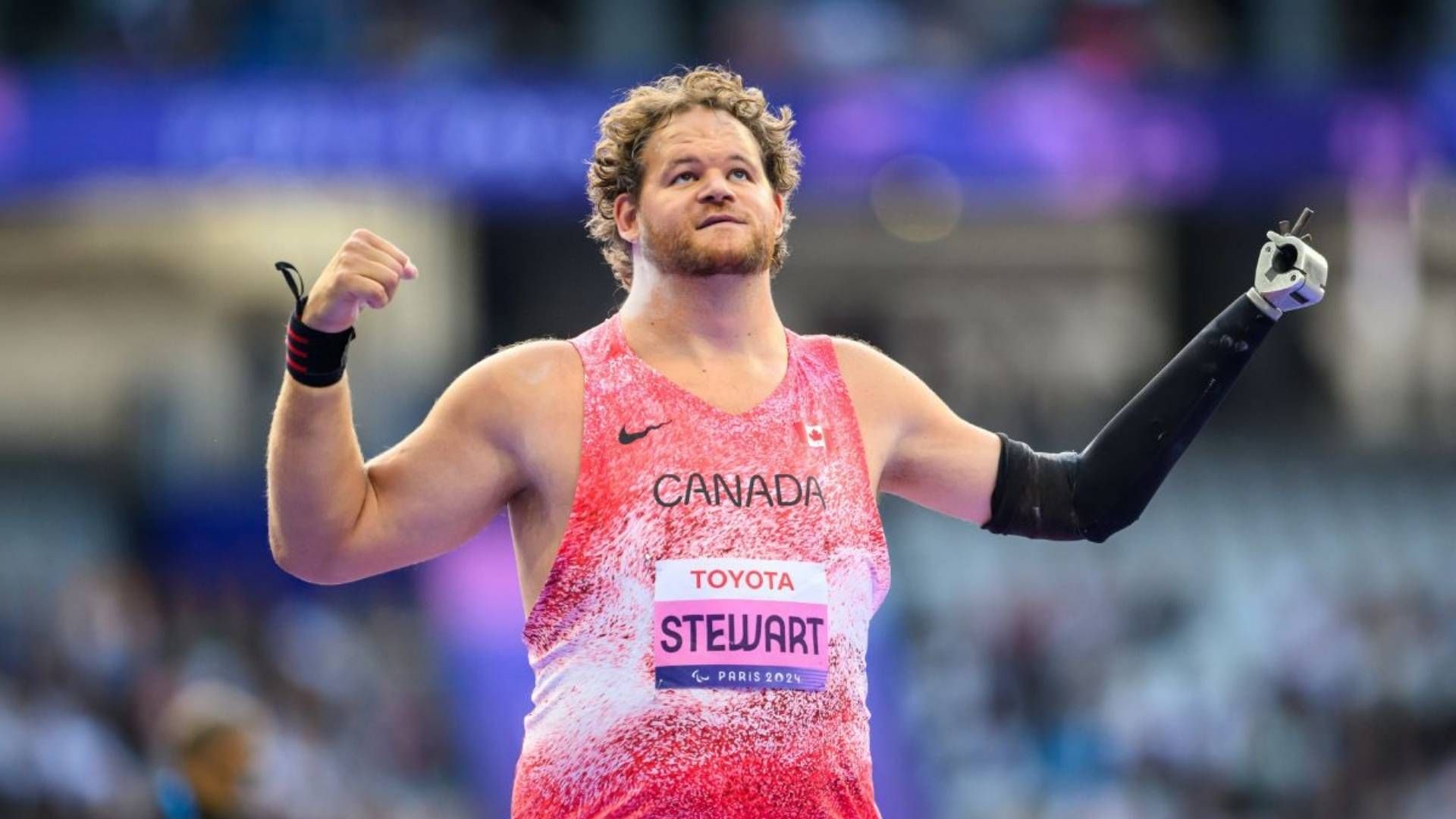
– Greg Stewart, 2x Paralympic Champion