Why Mental Performance Matters in Sport
Athletes train their strength, fitness, technique, and sport-specific skills, but physical preparation is only one part of performance.
Athletes also need to manage pressure, stay focused, respond to mistakes, and compete with confidence.
This is where mental performance becomes important.
Mental performance refers to the mental skills athletes use to prepare, compete, and respond to challenges. These skills can affect how an athlete performs in important moments and how they develop over time.

Mental Performance Starts Before Competition
Mental performance is not only about what happens during competition.
Athletes can prepare mentally by setting clear goals, creating routines, practising visualization, and deciding where to place their attention.
A consistent pre-performance routine can help an athlete feel more prepared and focused. It may include breathing, cue words, a warm-up routine, or reminders about what they can control.
These strategies give athletes something familiar to rely on when pressure increases.
Staying Focused in the Moment
Athletes can become distracted by the score, the final result, a previous mistake, or what other people might be thinking.
Mental performance skills help athletes recognize when their attention has shifted and bring it back to the task in front of them.
This may involve focusing on their breathing, using a technical cue, or directing attention toward the next play, run, or action.
The goal is not to stay perfectly focused at all times. It is to know how to refocus when distractions appear.
Performing Without Feeling Perfect
Athletes sometimes believe they need to feel calm, confident, and motivated before they can perform well.
In reality, athletes often compete while feeling nervous, uncertain, frustrated, or tired.
Mental performance training helps athletes understand that they can still take effective action even when uncomfortable thoughts or emotions are present.
An athlete can feel nervous and still follow their routine. They can feel doubtful and still commit to the next action.
Responding to Mistakes
Mistakes are part of every sport, but the way an athlete responds can influence what happens next.
A reset routine can help an athlete separate one mistake from the rest of the performance. This may include taking a breath, using a cue word, adjusting body language, and identifying the next task.
The goal is not to ignore the mistake. It is to learn from it without allowing it to control the next moment.
Is Mental Performance Only for Elite Athletes?
No.
Athletes at every level can benefit from developing mental performance skills.
Young athletes can practise handling pressure, building confidence, staying focused, and recovering from mistakes before the stakes become higher.
Like physical and technical abilities, mental skills become stronger through consistent practice.
Helping Young Athletes Develop Mental Performance Skills
At Podium Mind, we teach mental performance using lessons from Canadian Olympians, Paralympians, and Certified Mental Performance Consultants.
Podium Mind gives athletes practical tools they can use in training, competition, and life. Instead of relying on a single workshop or one-on-one coaching, Podium Mind helps individual athletes, teams, and organizations build mental performance skills through TikTok-style engagement designed to interest young athletes.
Athletes will learn how to build confidence, manage their nerves before important moments, stay focused, and respond to mistakes before those mistakes become bigger problems.
If you are a parent, coach, club, or school looking to help young athletes train the mental side of sport, Podium Mind provides a practical way to get started.
Learn More About Podium MindTrusted by Athletes.
Backed by Experts.
Podium Mind is built with:
- Canadian Olympians and Paralympians
- Top Certified Mental Performance Consultants
- Former & Current High Performance Coaches
“If you’re unable to show up, it doesn’t matter how good you are.
And the ability to show up is 100% a mental game.”
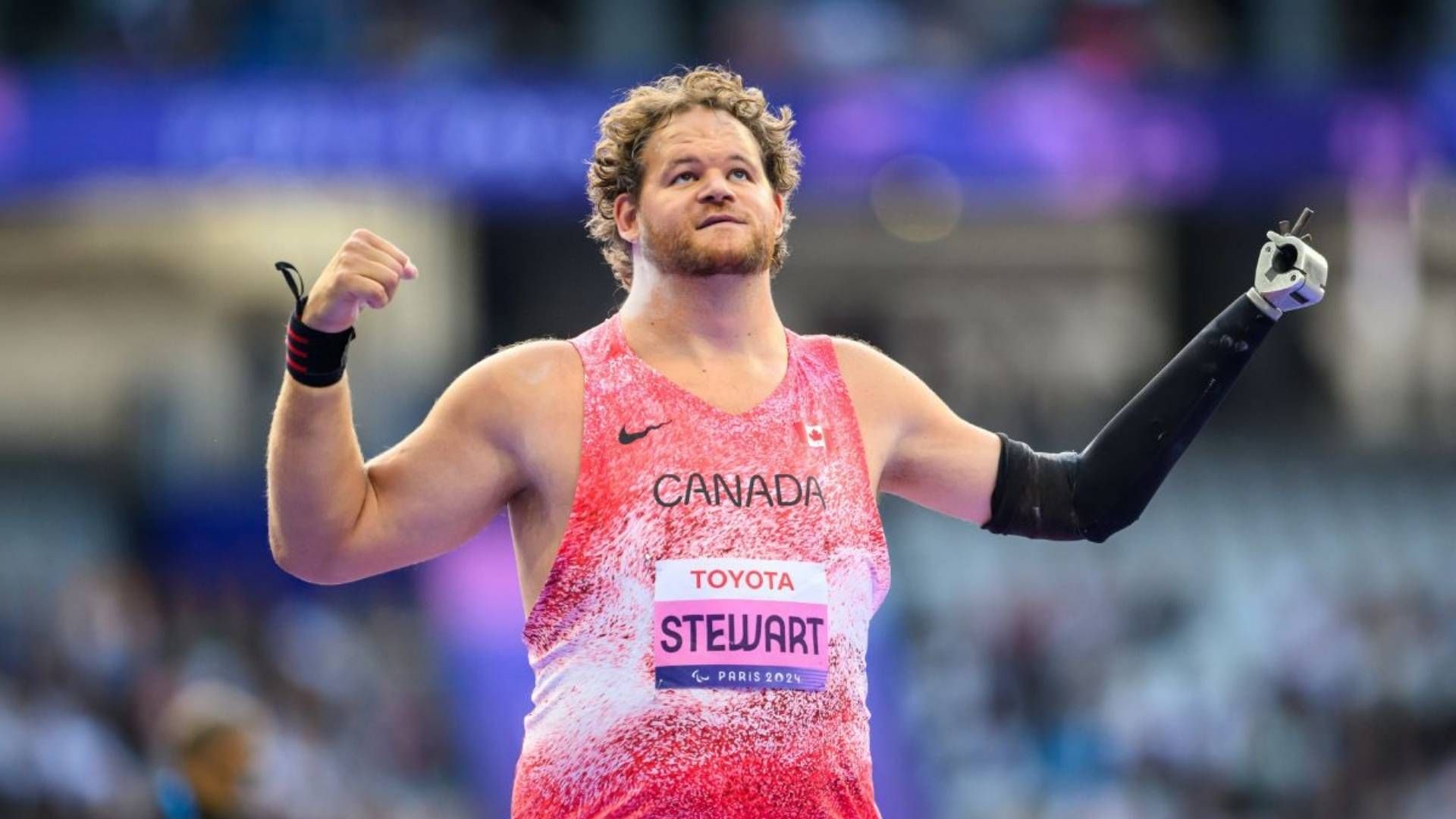
– Greg Stewart, 2x Paralympic Champion